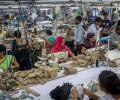
While the move may give a competitive edge over rivals like Bangladesh in the global market, several industry bodies raised concerns that many state governments may not implement it on the ground.

Various industry bodies have sought immediate government intervention through the imposition of anti-dumping duties, claiming India has seen a surge in imports of Chinese goods over the past two weeks.

Brands such as Gap, Primark and C&A which source some of their garments from Tamil Nadu say they do regular audits to ensure their suppliers comply with their codes of conduct.

India's largest garment hub Tirupur continues to reel from the effects of the pandemic, with almost 10 per cent of its orders for the upcoming season getting diverted to Bangladesh, Vietnam, Cambodia and China. The sector had seen a drop of about 9 per cent in exports during the first wave, but the impact is likely to be more this time, according to industry experts. Being one of the epicentres of Covid cases in the state, a majority of manufacturing units in the textile belt were closed for almost six weeks during the second wave.

Backed by the China-plus-one policy, India's textile and apparel exports have seen a 53 per cent growth during the April-November period of the current fiscal year at around $26 billion. This compares to the figure of $17 billion during the same period in FY21. According to Wazir Textile Index, all major companies including Welspun, Vardhman, Trident, KPR Mills, Indo Count, RSWM, Filatex, Nahar Spg and Indorama have posted higher sales during the first half of the current fiscal year compared to the pre-pandemic year.
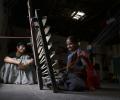
'Women weavers are hardworking, open to learning, resilient.' 'They finish their cooking, housework, puja, then they come to weave.' 'They care about design. They care about beauty.'

Surat houses more than 650,000 powerlooms. Of this, at least 60 per cent have been shut since a month, a loss of Rs 900 crore, finds out Vinay Umarji.
